
Exploring the White Lilies field: the journey of creation and development of exclusive franchise products
Also available in epub
Summary
The case study details the conception and development of a new product line for a stationery and office supplies franchise based in the Federal District of Brazil. Its main objective is to help administration students understand the initial stages of marketing for an established company, specifically new product launches. The case offers insights into how the marketing team approached the challenge of introducing a new product line that aligns with the company's business strategy. Furthermore, students can observe the results of the company's marketing efforts.
Palavras-chave: Franchises, Product, Launch, Standardization and Marketing.
Abstract
The case study details the conception and development of a new product line for a stationery and office supplies franchise based in the Federal District of Brazil. Its primary purpose is to assist management students in understanding the early stages of marketing for an established company, specifically the launch of new products. The case offers insight into how the marketing team addressed the challenge of introducing a new product line that aligns with the company's business strategy. Additionally, students can observe the outcomes of the company's marketing endeavors.
Keywords: Franchises, Product, Launch, Standardization and Marketing.
The Birth of White Lily Stationery
The white lily is native to regions of Europe and Western Asia and has been cultivated for over 3,000 years. A flor, que era delicada e, ao mesmo tempo, imponente, se tornou o símbolo de sentimentos bons e a conexão entre a pureza, nobreza e renovação.
Depois de séculos, essa mesma flor dá nome à White Lily Stationery. A franquia de itens de papelaria e correspondência surgiu já com o nome estrategicamente criado com foco na pessoa (indivíduo), que é a representação fictícia do cliente ideal da marca. Esse indivíduo era representado por uma mulher moderna e atemporal que está ligada às tendências, mas nunca deixa de lado o apreço pelo clássico, relacionando diretamente essas características ao Lírio Branco, que é exuberante e clássico, e, ao mesmo tempo, forte.
The idea for White Lily arose from a need of Gabriel's wife, one of the founding partners, who saw her daughter studying for college and was looking for stationery materials focused on organization and planning, but could not find this type of material in conventional stationery stores.
Gabriel e Pedro, seu irmão, já empreendiam e eram donos de uma marca de roupas em Brasília, fazendo com que a vontade de abrir uma nova empresa se tornasse ainda maior. Dessa forma, os dois fizeram uma proposta de abrir essa nova empresa com um casal de amigos, Matheus e Ariane, que já tinham experiência em gerir franquias e negócios por toda a cidade de Brasília. Assim, os quatro empreendedores acataram a ideia de levar itens de papelaria para o mercado tradicional dos shoppings centers e se juntaram para investir na primeira loja White Lily.
In this way, Gabriel understood that it would be a great business idea to create a brand that stimulates the organization and productivity of young people and adults, from school to the job market, and who use paper alongside digital to optimize daily multitasking.
Fazendo florescer um modelo de franquias para White Lily
With the partners already defined and excited about the business idea, the only point left was to define the best place to open the first White Lily. With the expertise From the partner couple, Ariane and Matheus, who already owned businesses in most of the malls in Brasília, they decided that the best option would be Park Shopping, as it was one of the best malls in Brasília in terms of store quality and foot traffic, as the data at the time showed. In 2018, with the business plan already structured, the 4 partners presented the idea of the stationery kiosk to the Mall, which was soon accepted and the opening day of the first White Lily in Brazil was scheduled.
No dia da inauguração, o quiosque foi montado na madrugada e todos os sócios estavam presentes para montarem a vitrine e adicionar os produtos nas prateleiras, de forma que tudo ficasse esteticamente atraente para o público passante.
“Lembro-me que durante a madrugada carregamos várias caixas e foi cansativo colocar todos os produtos no quiosque, mas muito gratificante.” Matheus Vendas, Sócio e Diretor de Operações
Assim, em fevereiro deste mesmo ano foi inaugurado o primeiro quiosque White Lily, que superou as expectativas de vendas já no primeiro dia de inauguração.
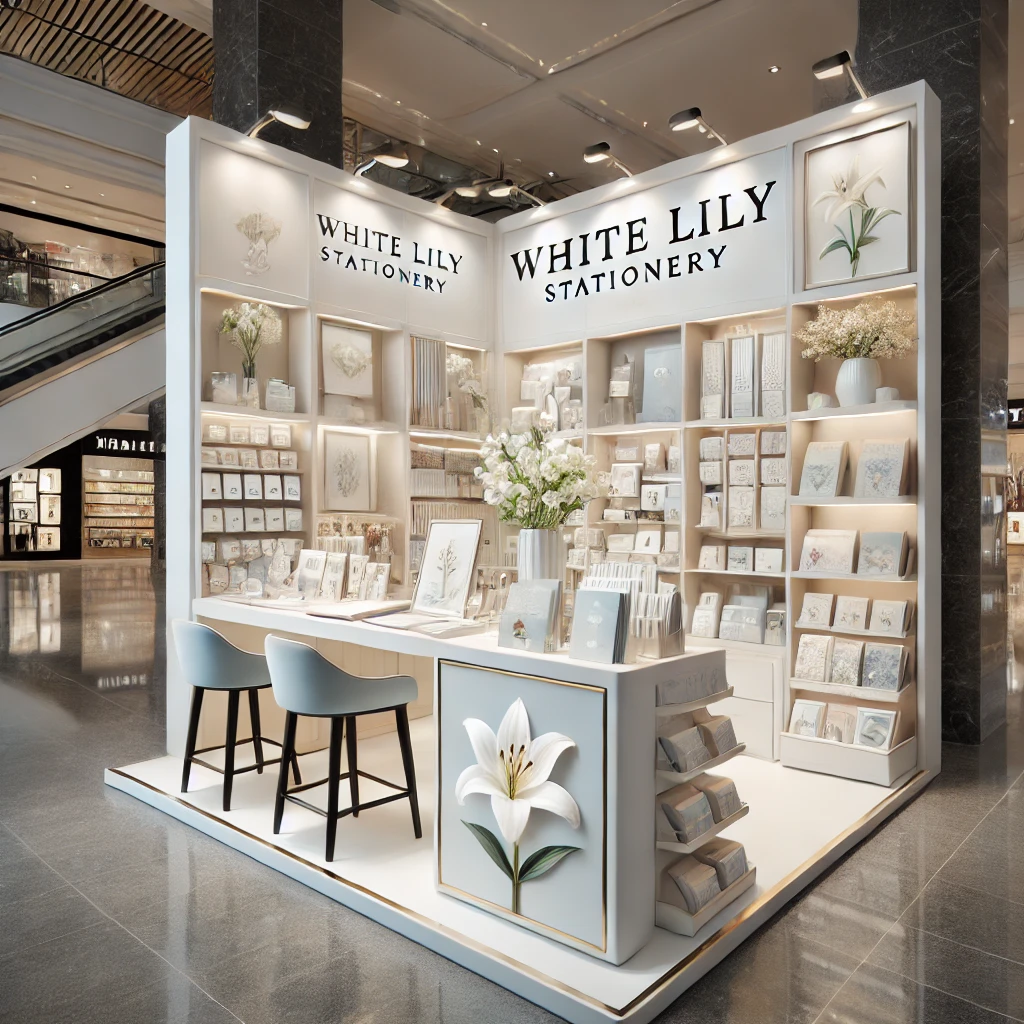
Para os sócios fundadores da White Lily sempre foi muito claro que o principal objetivo da primeira unidade da marca seria para validar se esse modelo de negócio de papelaria enxuta seria viável para escalonar como franquia, por isso os dois irmãos chamaram o casal, Ariane e Matheus, para ajudar na construção do modelo de negócio.
With surprising success on the first day, it was possible to understand that White Lily was a viable business idea and, most importantly, it could be scaled throughout Brazil using the franchise model, meaning all people interested in opening a White Lily kiosk in any region of Brazil could replicate the business model by becoming a brand franchisee. Thus, in 2019 (one year after the opening of the first kiosk), the brand already had 21 kiosks spread across 11 Brazilian cities. In 2022, White Lily Stationery reached 73 kiosks and a revenue of R$ 28 million. For 2023, the forecasts are for further growth, aiming to reach 95 franchisees and a revenue of R$ 36 million. Currently, it is present in 17 states and 32 municipalities, and plans to boost expansion throughout Brazil and open 110 more units by 2025. In the Federal District, there are 13 kiosks in almost all malls and also at JK airport.
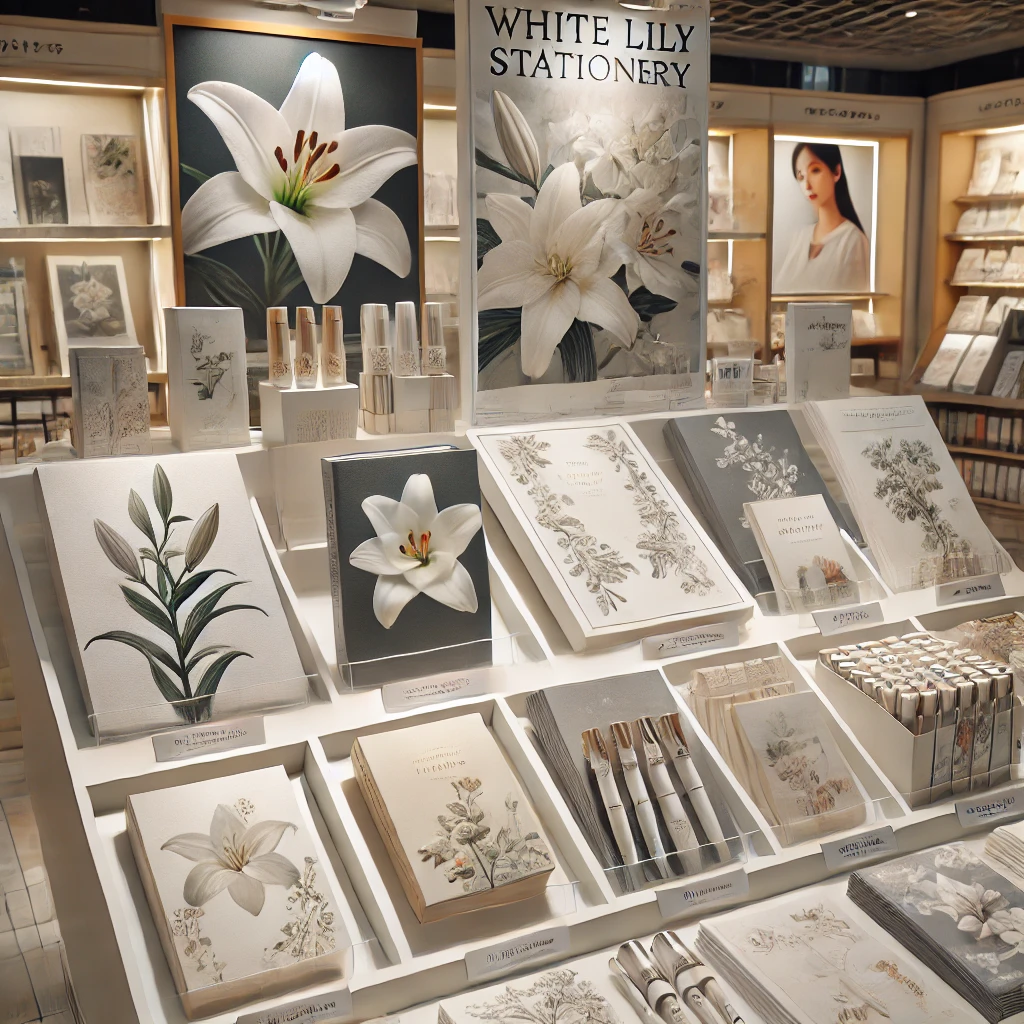
Initially, the kiosk sold third-party products and other brands to its audience. However, in the second year of the company, White Lily began to develop its own prints and products, which led to the production of the brand's own collections.
Explaining the Marketing Area
Disseminating White Lily marketing
A White Lily possui aproximadamente 30 funcionários responsáveis por realizar as mais variadas atividades, dispersos entre 4 diretorias, realizando atividades que vão desde a comercialização, criação e distribuição das coleções e produtos.

A empresa apresenta uma estrutura organizacional enxuta e agrupada por função (Mintzberg & Quinn, 2001), com poder de tomada de decisão dividido e centralizado no CEO e nas Diretorias de Operações, Marketing, Finanças e Logística e Gente e Gestão.
The CEO is the principal executive of the company and is responsible for establishing the strategic vision and overall direction of the organization, as well as acting as its guardian and maintaining relationships with stakeholders. The Chief Operating Officer, on the other hand, is responsible for developing and implementing efficient operational tactics, overseeing production, quality control, and inventory management. They are also responsible for sales and maintenance of franchises and management of the product distributor.
The Finance and Logistics Directorate is responsible for managing finance-related activities, such as accounting, financial planning, budgeting, cost analysis, and financial risk management. Additionally, it also oversees the company's logistics, including the management of transportation, inventory, and product distribution. The Head of People and Management is in charge of promoting the organizational culture and all issues related to the company's employees, from recruitment, selection, training and development, to performance management, employee well-being, and labor relations.
Finalmente, a área de Marketing da White Lily foi criada com objetivo de desenvolver, comunicar e divulgar as coleções e produtos ofertados pela empresa. A diretoria, criada por Ariane, graduada em psicologia, foi idealizada por sua identificação e paixão pela área.
O setor é hierarquizado em dois níveis, possuindo duas frentes de atuação distintas e complementares.

The Marketing Department is responsible for conducting product launch and relaunch projects; Conducting aesthetic and behavioral trend research; Developing marketing plans for product lines and developed brands; Monitoring product line profitability; Defining product diversity; Monitoring market evolution; Identifying new business opportunities; and Defining strategic marketing plans. Under its purview are two main sub-areas:
- Coordination of Creation and Production: Responsável por Planejar, Desenvolver e Lançar produtos e coleções da marca, por meio de oportunidades identificadas no mercado e em produtos potenciais; Analisar a concorrência; e Apresentar sugestões de inovação.
- Marketing and Strategy Coordination: Responsible for Planning and Coordinating activities related to internal and external marketing strategy and communication, aiming to boost the company's brand and its products. Also responsible for the company's visual identity and ensuring that information is integrated and updated in all communications and actions, such as events and activities.
The creative coordinator is Melissa, a Graphic Design graduate. Besides being creative, communicative, and proactive, she is directly involved in this activity, as she is responsible for the design, development, and production of collections and products. She can meet clients' needs by producing what they desire and require, such as products with more specific finishes, like high grammage (density/thickness of paper sheets), aligning this with care for Branding da marca, ou seja, um conjunto de ações alinhadas ao posicionamento, propósito e valores da marca (Resultados Digitais, 2021).
In contrast, Carolina, marketing and strategy coordinator with a degree in administration, has great analytical ability and strategic thinking and works directly with project management involving products and collections developed by the area. Ariane says that the process of launching new collections begins even before the official launch, with a pre-launch marketing campaign to generate expectation and interest from final consumers. Moving on to the official market launch, which happens simultaneously online and in physical stores, being widely publicized and sales are initiated.
Já Carolina describes that the launches of new collections are shown as the least efficient part of the production process, as it often happens in a ‘hasty’ way, with collections merely being distributed and placed in points of sale. This is due to the lack of prior planning and definition of Marketing strategies for carrying out these launches in the market, which is leveraged by the continental dimensions of Brazil, making simultaneous launches in all brand units difficult.
Blooming the White Lily public
A White Lily presents playful, timeless, and functional collections and products, in line with the modern image and the needs of its target audience, that is, it is the available part of the market that the company decides to reach. Thus, Carol defines that White Lily has a broader consumer profile, given that the physical points of sale are located in Shopping Malls, with a large daily circulation of people.
Still according to Carol, consumption habits are the main definers for establishing White Lily's consumer profile. That said, the company serves everyone from the public that buys on impulse, to those who look for gifts or like stationery, organization, and productivity items. Despite this, the company has a target audience with an A/B customer lifestyle, that is, a portion of the population willing to pay more for good quality products with exclusive prints. Furthermore, almost all of the brand's production and communication with the target audience is geared towards women.
With that said, in 2022, approximately 24.7% of the Brazilian population belonged to group A/B. This represents an increase of 1.1% compared to the previous year. Furthermore, within this segment, 47% are female (ABEP, 2022). Despite constituting a relatively small slice of the population, with an average family income between R$ 4,852.00 and R$ 21,827.00, class A/B has considerable purchasing power, accounting for 49% of the total, according to information from (ABEP, 2022). These numbers highlight the potential of this target audience for both White Lily products and other products on the market. This demonstrates the cohesion and coherence of this data and its relevance to the context.
White Lily florescendo na Internet
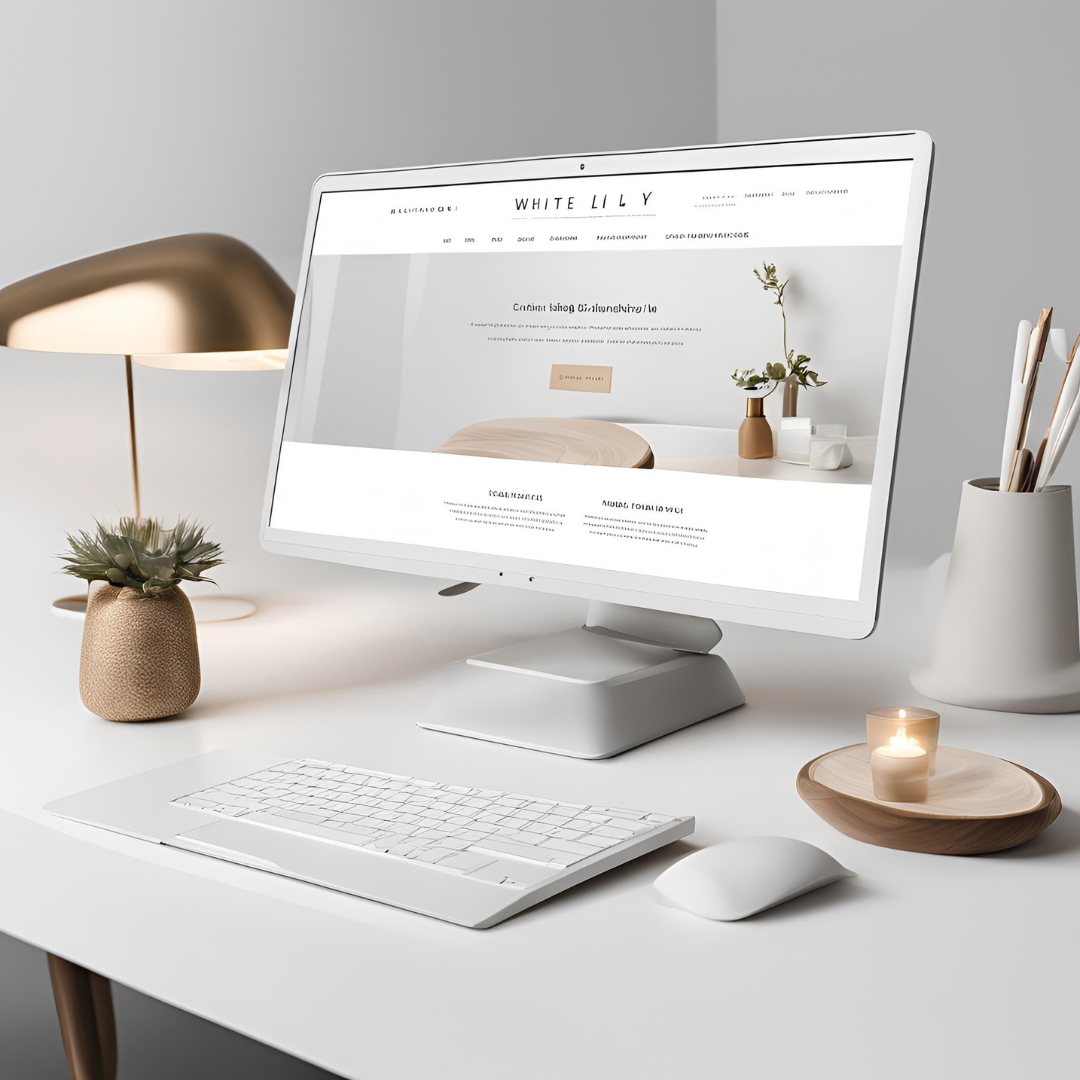
No campo digital, a White Lily utiliza o Instagram desde 2018 e também seu site oficial, ativo desde 2020, para se comunicar com o público e divulgar os produtos. Além disso, a White Lily possui um perfil no Linkedin, criado em 2022, utilizado exclusivamente para atração de novos franqueados e um melhor posicionamento da marca frente ao mercado de franquias.
At the beginning of 2020, the whole world faced the isolation that the pandemic brought, with this countless companies had to temporarily close their doors. Given this, White Lily, which had 100% of its sales physically, was forced to start selling through other means. Thus, in 2020, the e-commerce da White Lily chamado LILYcommerce.
A plataforma de vendas online surgiu como forma de inserir a empresa no âmbito digital e atingir pessoas que não possuíam um quiosque em sua região. Inicialmente as vendas se tornaram significativas, apesar do baixo investimento em anúncios e divulgação dos produtos na internet.
Currently, the e-commerce represents around 2% of White Lily's global revenue, showing that the company's focus is on sales in physical stores. The marketing team in 2023 is applying more efforts in this area, such as, for example, greater investment in advertising, redesign of layout of e-commerce hiring a third-party company to assist in the promotion and campaign of products, however, it is still an area that has a lot of potential, but with unsatisfactory results for the brand.
White Lily Collections and Products
The flowers of this vast Garden
A White Lily foi evoluindo com o passar do tempo em relação aos produtos oferecidos em seu ponto físico de venda. Inicialmente, o quiosque de papelaria contava com várias empresas famosas do segmento como Faber-Castell e Cícero para compor seu mix de produtos vendidos. Já em 2019 a empresa lançou as suas primeiras coleções autorais para o mercado, chamadas Elle, Donna, Elizabeth e Tarot. Assim, pensando estrategicamente no público-alvo da empresa, suas primeiras coleções foram com nomes de mulheres e a última com um tema que muitas delas se identificam. A empresa não deixou de vender outras marcas famosas, no entanto, adicionou em seu portfólio estampas exclusivas criadas dentro de casa.

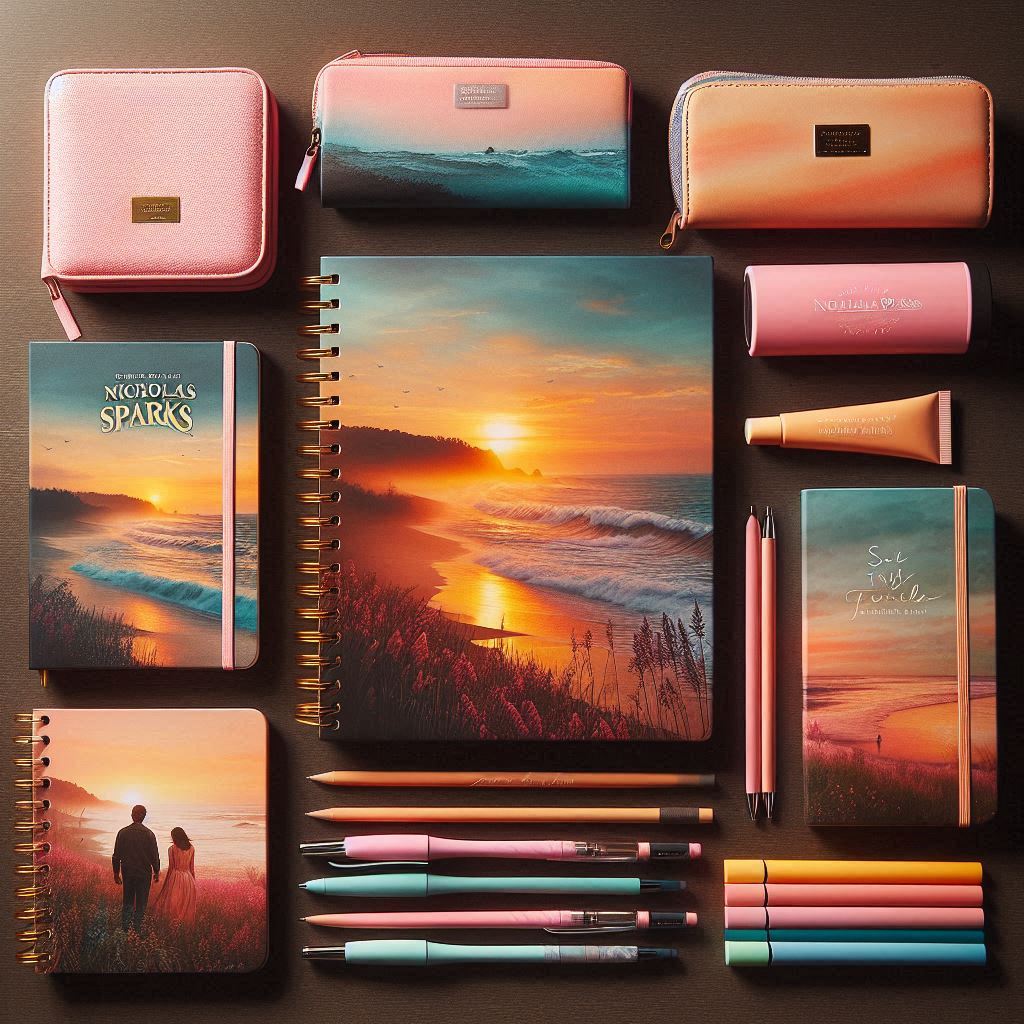
Ariane, a diretora de Marketing entendeu que as coleções precisam expressar os sentimentos e comportamentos que o público possui naquele determinado período, pois os consumidores irão comprar se acreditam que o produto tenha uma estética elegante e que acompanhe os traços da sua personalidade. O foco dos temas dessas coleções é representar uma personalidade, um comportamento, uma tendência ou até mesmo um estilo de vida.
Until the year 2023, 11 collections were launched for the public, each collection represents a trend identified in the market and has a defined persona with unique characteristics.

Products
While the collections correspond to the more conceptual and aesthetic parts of the product, there are the products themselves that are manufactured and distributed by the company, such as Dated Planners, Agendas, Undated Planners, A5 Notebook, Collegiate Notebook, Hardcover Notebook, Softcover Notebook, Mini Notebook, A4 Pad: Monthly and Weekly, A5 Pad: Checklist and Diary, Binder, and Pad with pen.
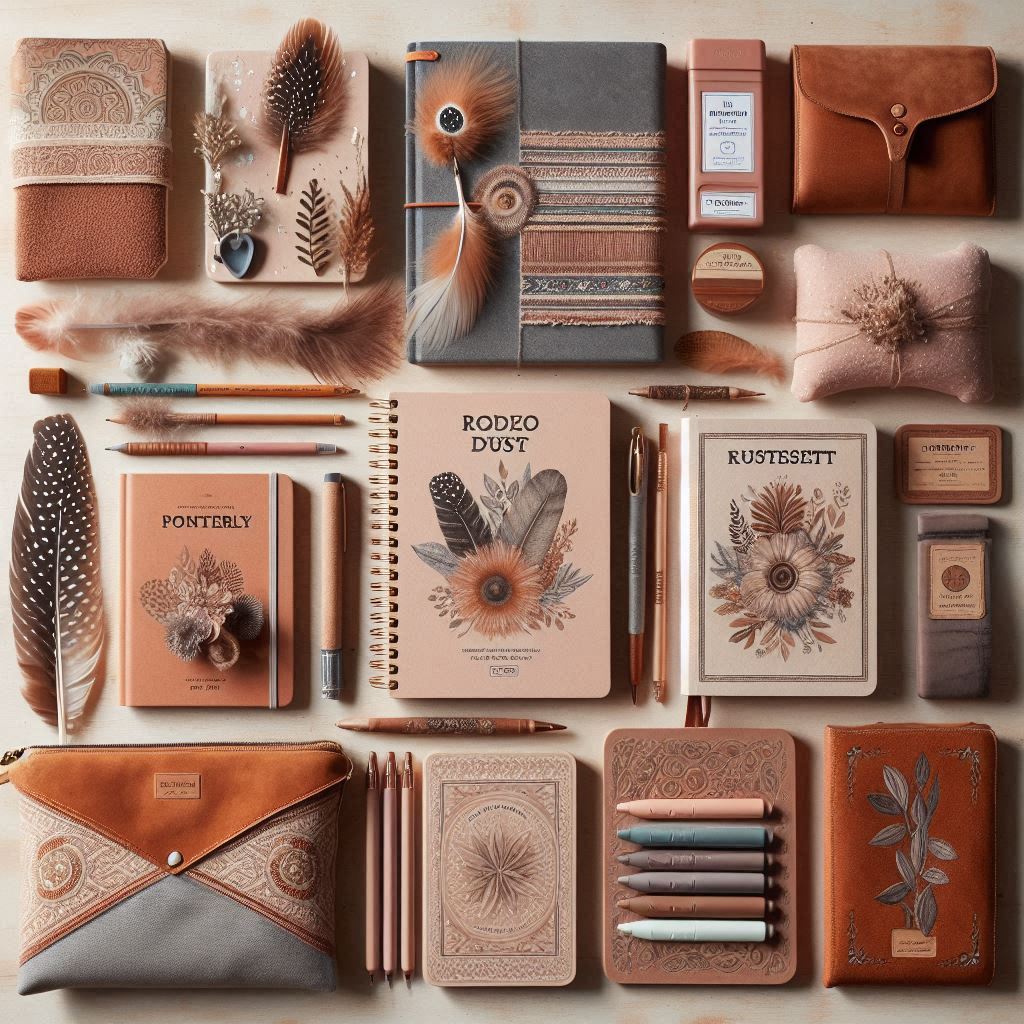
A maioria das coleções possui todos esses produtos listados (conheça os produtos na galeria ao final do caso). A empresa está em constante atualização de portfólio e coleções pretendem realizar vários lançamentos nos próximos anos.
Etapas de criação e lançamento
As estratégias de criação e lançamento passaram por diversas mudanças ao longo do tempo, com a maturidade adquirida ao longo dos anos Ariane desenvolveu o processo de criação e lançamento realizado com apoio de toda a equipe de Marketing da empresa. Esse processo é atualizado e melhorado por Ariane a cada lançamento de coleção. Assim, no ano de 2021, Ariane realizou todo o processo da criação e lançamento da coleção Boêmia utilizando estratégias melhoradas em relação aos lançamentos passados. Entretanto, existe ainda abertura para melhoria do lançamento atual das coleções e produtos White Lily.
Seeding (planning)
The offering of new collections does not start specifically with consumers. In fact, the Marketing Director, Ariane, who has a strong system of organization and creativity, follows an internal company launch schedule, starting the search for the theme of the new collection. At this stage, an exploratory and qualitative research of market trends is carried out, especially in the fashion, interior design, and stationery sectors. This research is done mainly through social media, especially using Pinterest to better understand what trends are emerging, as being a search-based social network, it offers many insights for Ariane at this stage. This research normally lasts 1 month so that the Marketing Director pays attention to the details and seeks inspiration.
To guide the collection planning process, Ariane always raises the following questions:
- Qual o sentimento predominante no público-alvo da marca nesse período?
- What are the main trends predicted in the fashion and interior design industry for this year?
- O que as pessoas estão buscando esteticamente nesse período?
In the early collections, the company followed a more conventional model, where design and creation decisions were guided by established standards and already known guidelines. The collections were the result of a sequential process, in which trend research was conducted, but not always holistically. The design team followed a relatively rigid procedure.
However, when faced with a disruptive scenario, Ariane saw an opportunity to transform the collection planning approach. Amidst the pandemic that ravaged the world, new consumption behaviors emerged, marked by escapism and connection with nature. This insight triggered a simple, yet significant change in how the company would create its new collections from that moment on.
A Diretora realizou uma pesquisa de tendência e identificou que os consumidores, em meio a uma pandemia sem um fim aparente, conviviam com o sentimento de querer fugir para uma casa no campo. Entendendo esse comportamento, a diretora começou a idealizar uma coleção inteira com o foco nesse comportamento e nessa necessidade de liberdade. E assim surgiu a coleção Boêmia.
O próprio nome Boêmia representaria um estilo de vida caracterizado pela liberdade, despreocupação e ligação com arte. Seria uma coleção inspirada em tendências que estavam surgindo na época. Ou seja, a busca por uma vida nômade, livre e de muita personalidade.
Logo depois da idealização do tema da nova coleção, Ariane passou isso ao time de criação da empresa para iniciar todos os trâmites de visualização da coleção e criação das estampas de cada produto.
Primeiras raízes (concepção)
A reunião da Diretora de Marketing com o time de criação ocorre mensalmente para que ela passe para a equipe quais foram os detalhes encontrados e buscados para eles darem vida a coleção. Essa reunião pode acontecer diversas vezes conforme a necessidade do time de criação de rever os conceitos ou identificar algum estilo que não será capaz de ser reproduzido nas estampas.
Next, the team begins the part of creating the prints and their concepts, an activity that normally lasts 3 months. The initial step is to create a moodboard, que é uma coletânea de referências visuais para dar visibilidade a uma ideia ou pensamento, (Resultados Digitais, 2022). Essa etapa é muito importante para dar um direcionamento para equipe do que a coleção promete e o que querem atingir com ela.

After much searching to understand the true concept of the collection, the next step is to identify which color palettes will be used, with the moodboard já criado é mais fácil a definição das paletas, entretanto algumas reuniões precisam ser feitas para chegar nas cores ideias para a coleção. No caso da coleção supracitada, a paleta de cores é definida pensando sobre o sentimento que a coleção deseja transmitir.

The next step is to identify the collection's persona, that is, the fictional representation of the ideal customer who will consume these products with these prints. For the collection Boamia foi identificado a seguinte persona:
“The collection identifies with those people who break the mold, are free-spirited, and love to live life with relaxed-looking clothes, made with light and natural fabrics.” Marketing Team at White Lily

With all these points defined, the creation of the prints actually begins. This process is done on design platforms such as photoshop and illustrator pela equipe de criação, exigindo vários testes, para identificar qual o canvas ideal para a coleção, passando várias vezes por etapas de verificação e validação por toda a equipe.
Após muito esforço e trabalho, chegam finalmente as estampas que são enviadas para a gráfica e impressas em pequenas quantidades para entenderem quais estampas funcionam na prática e quais não. E assim após várias validações são definidas as estampas de todos os produtos.

Florescer (produto x precificação)
After feedback in the creation stage, the pricing and manufacturing process for products and collections for launch begins. At White Lily, this process can be defined as follows:

As observed above, White Lily's pricing process, involving the entire supply chain, from passing collections to the printer to the final consumer, can be complex:
- Graphic: With the information provided by the Marketing team after the creation of the collections, the production process of the pieces begins. In this phase, the printing company takes into account production costs, such as paper, ink, labor, equipment, and operational expenses. With this, the outsourced printing company applies a profit margin, that is, the financial metric that represents the percentage of profit obtained in relation to the total revenue of a company, in order to ensure the sustainability of the business.
- White Lily Distributor: After the production of the collections and products at the printing company, they are sent to the White Lily Distributor, responsible for acquiring the products and distributing them to the franchisees. At this stage of the process, the distributor considers logistical costs, such as transportation, storage, and inventory management, which results in administrative costs and consequently a profit margin for the company.
- Franchisee: A empresa White Lily, como franqueadora, estabelece um preço de venda dos produtos para os seus franqueados. Nessa etapa, a White Lily considera os custos de produção na gráfica, os custos da distribuidora, além dos custos de marketing, desenvolvimento de produtos, suporte e royalties pagos pelos franqueados. Definindo assim o preço das coleções e produtos da marca White Lily, que os franqueados irão adquirir para repassar ao consumidor final.
The franchisor also defines the desired profit margin at this stage, being responsible for establishing the selling price to the final consumer, following an already established table of final prices. The franchise defines how much profit the franchisee will have at the end of the sale. With the final value already established by the franchise, the franchisees are responsible for selling to the final consumer without altering the selling price of the products.

For a better understanding of the pricing process, the presented scheme illustrates values that closely reflect the reality of White Lily's collections and products. Let's take the product called Notebook as an example. Illustratively, the production of a notebook incurs a unit cost of R$2.00 from the printing company, an amount charged to White Lily's Distributor. After acquiring the product, the distributor stores it in their warehouse and proceeds to sell it to franchisees, setting the selling price at R$5.00 per unit. In this context, the distributor ensures a profit margin of R$3.00 per unit sold. The transaction occurs when the franchisee purchases the product at the price established by the White Lily Franchise. Subsequently, the franchisee sells the Notebook to the end consumer, setting the price at R$10.00 per unit and thus ensuring a profit of R$5.00 in each transaction.
With that said, the final consumer price is set by the franchisor and needs to be well thought out, considering generating a good profit margin for the franchisee. This process implies the analysis of all costs involved and the profit margins corresponding to the preceding stages. Once this decision is made, the product is made available in the kiosks, within reach of the final consumer, who is responsible for the actual purchase of the brand's products. The company gains substantial added value by offering high-quality products, even if such products are not classified as luxury items, i.e., a product characterized by: superior quality and durability, high taste and refined status, high price, scarcity and exclusivity, strong aesthetic appeal, tradition, history, and legend (Dubois et al., 2001).
Pollination (launch)
Distribuição
Depois de tudo finalizado e precificado para a venda, os produtos da coleção Boêmia são distribuídos para todas as unidades de franquias espalhadas no Brasil. Os produtos das coleções próprias da White Lily, após serem confeccionados em grandes escalas, são disponibilizados para a compra dos franqueados da rede que ao realizarem o pedido demora aproximadamente 16 dias para saírem de Brasília, por meio de uma transportadora rodoviária, e chegarem até as unidades em diversas regiões do Brasil.
Entretanto, apesar de ser um processo aparentemente fácil, Carol comenta que pelo Brasil ter dimensões continentais, a distribuição simultânea fica bastante comprometida, ou seja, é muito difícil fazer com que as unidades da região, por exemplo, do norte, recebam os produtos ao mesmo tempo que as unidades da região sudeste. Isso dificulta a organização e planejamento dos lançamentos das coleções.
Launch
The launch of the Boamia collection is the moment when the collection is officially presented to the market for sale and use by consumers. First, when the entire collection is ready, all prints are presented to the White Lily internal team, so that the collaborators understand the collection and can explain it to interested people. After that, Ariane and Matheus present a live stream with all the franchisees in Brazil to explain the new collection, important dates, and how to price it.
Assim, com todas as pessoas internas avisadas a Franquia inicia o processo em que os franqueados podem comprar esses produtos da Distribuidora, é sempre sugerido uma determinada quantidade, porém os franqueados possuem liberdade para realizar o pedido dos produtos dessa coleção como desejarem.
Dessa forma, a equipe de Ariane define o melhor dia para anunciar ao público sobre a novidade e também define as publicações que irão realizar nos principais meios de comunicação (site e Instagram). Após a definição dos dias a equipe começa a execução das artes, aperfeiçoamento das fotos e definição das legendas. Carol relata que ainda é uma etapa com alguns problemas e que apesar dos lançamentos possuírem estratégias claras, alguns entraves acabam acontecendo, como, por exemplo: a não garantia que na data de lançamento os produtos estejam em todos os pontos físicos.
Divulgação
Outra etapa que segundo Carol também necessita de melhorias é a etapa de divulgação, que consiste no conjunto de atividades e estratégias de marketing utilizadas para comunicar e promover o lançamento do produto. Carol diz que essa etapa pretende gerar interesse, conscientização e expectativa em relação ao produto, incentivando o público a experimentá-lo e adquiri-lo.
Para a divulgação de coleções existem dois âmbitos que a equipe de marketing trabalha: o físico e o digital.
Digital
No campo digital, a White Lily utiliza o Instagram e seu site oficial para se comunicar com o público e divulgar os produtos. No Instagram, as coleções costumam ser lançadas de forma pouco eficiente, pois existe a comunicação que a coleção será lançada por meio de posts no feed e nos stories da marca sem um planejamento prévio focado na coleção, por exemplo, na imagem abaixo.

With the lack of planning and the team normally having to execute more than one action at the time of launch, Carol reports that there can be many improvements in this process to engage the consumer more and consequently make more sales.
Physical
At the kiosk itself, at the physical point of sale, the "positivações" are made, which according to Carol is the name given to actions such as signs and kiosk decoration to announce some campaign or collection. As presented in the figure below.
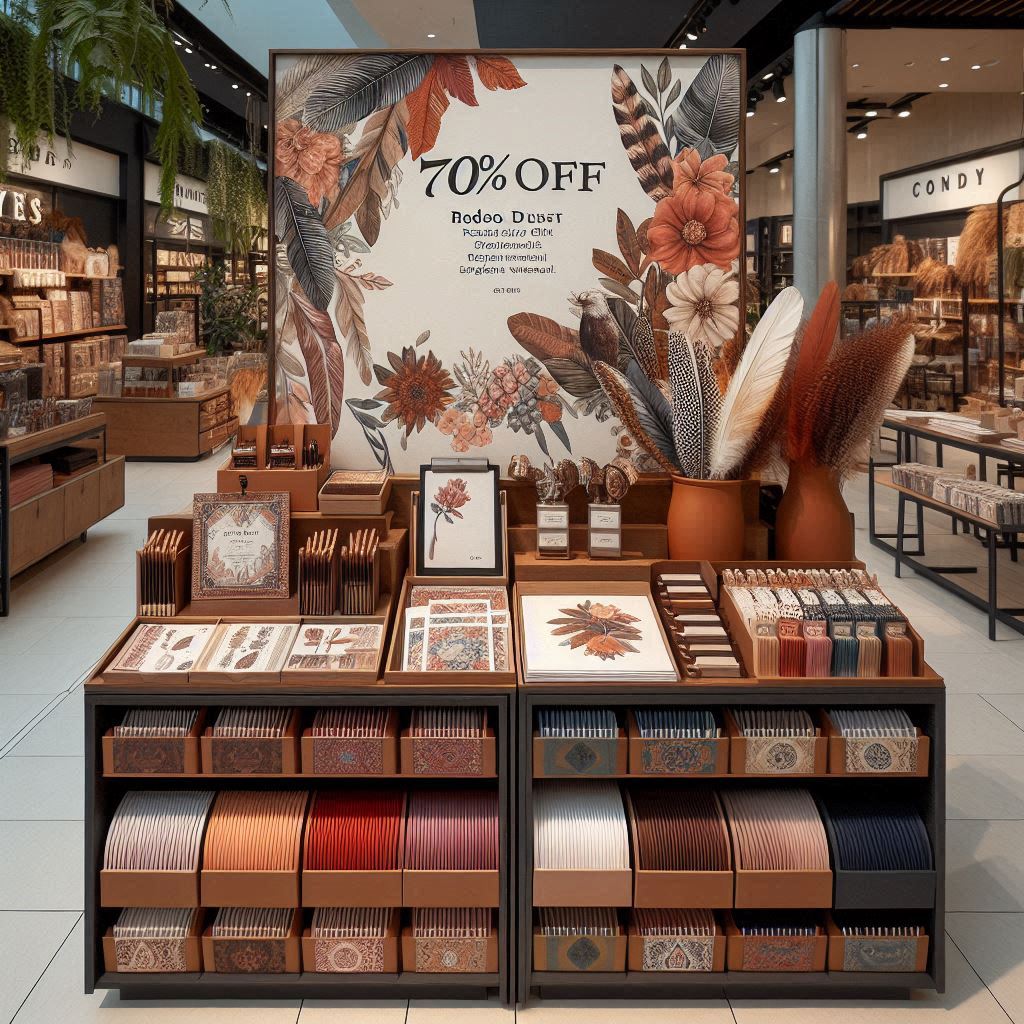
Thus, when collections are launched, this type of sign is distributed to franchisees who add it to the kiosk to promote to the passing public in the mall. There are some limitations because the kiosk has a smaller space. Therefore, the launch actions and strategies are very concentrated on the showcase itself or on posters and flyers that announce them.
Apesar do processo estabelecido por erros e acertos, ainda hoje o lançamento é a fase menos eficiente, uma vez que a equipe possui uma sobrecarga e o lançamento não é bem planejado. Por isso, é essencial que a White Lily pense urgentemente em maneiras de tornar essa fase mais eficiente.
Harvest (results)
After the modifications to the production process and the launch of the collection, it is necessary to collect and verify the sales results of the collection, after all, ‘what is not measured is not managed’, said Deming. Thus, despite the obstacles identified throughout the production process, the marketing team predicted the success of the Boamia collection even before its launch, as shown in the graph with the results below:

Based on this information, the Marketing Directorate found that the collection had a superior sales performance compared to previous collections, thus highlighting the importance of detecting obstacles in the production process. However, the area recognized that it was essential to identify and further improve the existing bottlenecks in its internal processes to add value to its clients, whether they were franchisees or final consumers. This effort aimed to achieve increasingly concrete and notable financial and performance results. And in this context of internal improvements for better generation of results, the first doubts and difficulties arose regarding the reorganization of processes for the production of new collections and products.
Furthermore, in order to have more clarity on the sales results of the Boamia collection products, for the team to analyze together, Ariane developed a graph presenting the Life cycle of products and collections developed by the company, that is, a graphical representation that allows monitoring and analyzing the behavior of an item throughout its existential journey (Silva, 2021), in the period from November 2021 to April 2022:

In this perspective, Ariane, Carolina, and Melissa identified that:
- Introduction Phase: The collection showed a low sales volume at its launch, given that the public is still familiarizing themselves with the products.
- Growth Phase: Sales began to grow as the public started to adopt the collection.
- Maturity Phase: In this phase, the collection's sales stabilize, reaching a peak.
- Decline Phase: Sales began to decline as demand decreased or consumers migrated to alternative products.
That said, although a series of challenges have been overcome through the Boamia collection, a significant amount of obstacles have still been identified. In view of this, Ariane, Carolina, and Melissa recognize an urgency to further improve their processes, considering the launch of future collections. In addition to the modifications implemented in the production process of the collections, the Marketing area emphasized the crucial need to adopt a systemic approach regarding the life cycle of White Lily's products and collections.
This approach should encompass not only internal factors but also consider external factors and contextual influences. In this sense, Ariane and her team are convinced of the need to continuously maximize the performance and value of the collections over time. This urgency is fundamental to meet the dynamic demands of the market and ensure that the next collections achieve even higher levels of success and effectiveness.
Questions for debate
- Com base na interpretação do caso, quais os principais problemas identificados no processo de criação e desenvolvimento das primeiras coleções e no processo aplicado na coleção Boêmia? Como gestor, como você faria para melhorá-los?
- Como gestor de marketing, você acredita que os resultados obtidos com a coleção Boêmia poderiam ter sido melhores? O que você faria diferente? Quais estratégias você utilizaria para melhorar as vendas da coleção Boêmia na White Lily?
- What is the best way to leverage White Lily's competitive advantages to convert more customers?
- In your perception, what other factors may have influenced the Boamia collection's lifecycle? As a manager, what strategies would you use at each stage of the lifecycle of the products developed by the company, so that it can increase or maintain the lifecycle of its next collections?
- Considering the standardization of all franchise units, what would be the best way to carry out offline and online launches of collections and products? And how to make the on-site launch process more effective and standardized considering the continental dimension of Brazil and the location of the franchisees?
- As a manager, would you modify the pricing model used by White Lily to maximize profit margin and sales revenue?
Gallery


References
Associação Brasileira de Empresas de Pesquisa. (Ed.14). (2022). Critério de Classificação Econômica Brasil 2022. São Paulo: Associação Brasileira de Empresas de Pesquisa.
Dubois, B., Laurent, G. & Czellar, S. (2001). Consumer Rapport to Luxury: Analyzing Complex And Ambivalent Attitudes. Consumer Research Working Article, N°. 736, HEC, Jouy-en-Josas.
Mintzberg, H., & Quinn, J. B. (Ed.4). (2005). The Strategy Process: Concepts, Contexts and Selected Cases. Porto Alegre: Bookman.
Resultados Digitais. (2021, May 23). Branding: what it is, tips, best books, and how to manage your brand. Resultados Digitais. https://resultadosdigitais.com.br/marketing/o-que-branding/
Resultados Digitais. (2022, May 17). Moodboard in marketing projects: What it is, what it's for, and how to do it. Resultados Digitais. https://resultadosdigitais.com.br/agencias/moodboard/.
Silva, D. da. (2021, November 29). Product life cycle: how it works + 3 practical examples [Complete guide]. Zendesk. https://www.zendesk.com.br/blog/ciclo-de-vida-do-produto/.
About the authors
Isabela Leite Guimarães é estudante de Administração da Universidade de Brasília e membro da Equipe Casoteca ADM. Co-founder da Ousari Marketing. Email: @isabela18guimaraes@gmail.com.
Luiz Henrique Lima Rodrigues He is an Administration student at the University of Brasília and Co-coordinator of Casoteca ADM. Director of Relationships at Concentro (Federation of Junior Enterprises of the Federal District). Email: luizhenriquelima305@gmail.com.
Rafael Barreiros Porto is an Associate Professor in the Department of Administration at the University of Brasília and in the Graduate Program in Administration at UnB (PPGA/UnB). He completed his doctorate in Behavioral Sciences at the University of Brasília and a post-doctorate in Behavioral Economics applied to Marketing at Cardiff Business School (UK). He is the leader of the Experimental Research Nucleus - research on strategy and marketing performance. Email: rafaelporto@unb.br
Publisher: Nicole Alonso Santos de Sousa is a graduate student from the Department of Administration (ADM/FACE) of the University of Brasília (UnB). She is co-coordinator of the Casoteca ADM. She has postgraduate studies in Finance and Controlling (MBA USP/ESALQ) and a bachelor's degree in Administration (UnB). Email: nicolealonso2000@gmail.com
This is a work of fiction, any resemblance to names, people, facts or situations in real life will have been mere coincidence. This text is intended exclusively for academic study and discussion, and its use or reproduction in any other form is prohibited. Violation of copyright will subject the offender to the penalties of Law No. 9.610/1998.